REVIEW · GIRONA
Girona Film Museum – Entrance
Book on Viator →Operated by Girona - Touristcheck · Bookable on Viator
Projectors have a time machine. The Cinema Museum Girona takes you through the story of images and how humans turned light into moving pictures, from early inventions to the arrival of television. Even if you are not a film scholar, you can follow the main ideas easily, floor by floor, with lots to look at and small videos to set the mood.
Two things I really like: the interactive displays that show how techniques work (not just what happened), and the strong focus on the pre-cinema era, including pre-motion instruments like the magic lantern. One practical consideration: the museum can stretch from about an hour to around five hours, depending on how much you stop, play, and watch—so plan a little breathing room in your day.
In This Review
- Key Highlights You Should Know
- Cinema Museum Girona: Walking Into 500 Years of Image-Making
- Entering The Museum: The Intro Film and How the Visit Flows
- The Big Anchor: Museu del Cinema and the Pre-Motion World
- Interactive Displays That Teach You How Light Becomes Story
- Moving Through Time: From Medieval-Era Curiosity to Later Cinema
- The Value Case: Why This Ticket Price Feels Fair
- Timing and How Long You Should Plan
- Who This Museum Is Best For (And Who Might Feel Meh)
- Getting There and Practical Notes That Matter
- Should You Book the Cinema Museum Girona?
- FAQ
- FAQ
- What is the name of the museum experience in Girona?
- Where is it located?
- How much does it cost?
- How long should I plan to spend there?
- Is the experience available in English?
- Do I need to print a ticket?
- What happens when I arrive?
- Is there accessibility support in the museum?
- Is free cancellation available?
Key Highlights You Should Know
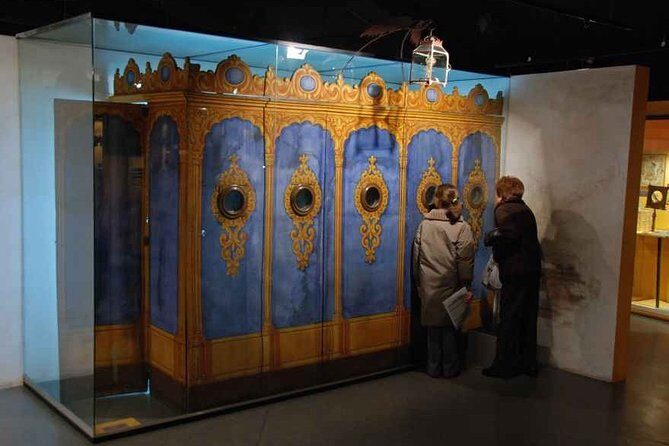
- Five centuries of cinema and image-making in one building, with clear progression through time
- Short introductory film that sets the tone before you start wandering
- Magic lantern and pre-motion picture instruments with hands-on, play-with-it moments
- Digitized and interactive viewing that helps you understand images becoming frames
- Four-floor layout with lifts, so you can move between levels without hassle
- Helpful staff, including a staff member named Luiz mentioned in guest feedback
Cinema Museum Girona: Walking Into 500 Years of Image-Making
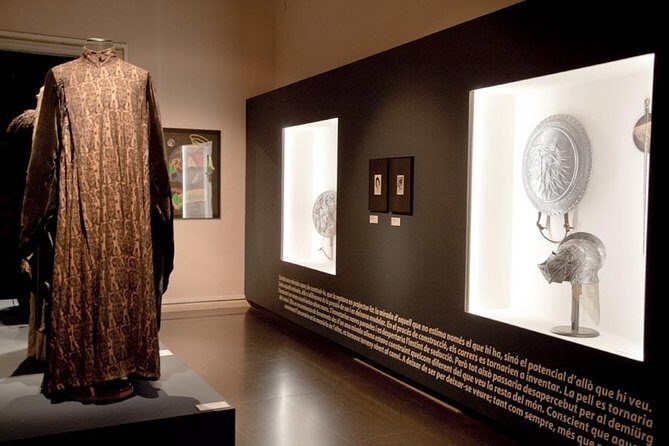
The Girona Film Museum (Museu del Cinema) is one of those places where the walls are doing the teaching. You are not just reading labels. You are watching the logic of cinema—how images are built, how they move, and how spectators learned to see stories in light and shadow.
What makes this museum especially appealing is its time span. You start with the foundations of how images were made long before movies became common, and you keep going until the arrival of television. That means you get the full arc: inventions, experiments, and then the formats that stuck.
There is also a sense of place. The museum is housed in the former casa de les Aigues, and it showcases the Tomas Mallol collection across multiple floors. That combo—an old Girona setting plus a collection centered on visual technology—helps the visit feel grounded rather than like a generic slideshow.
You can also read our reviews of more museum experiences in Girona

Entering The Museum: The Intro Film and How the Visit Flows
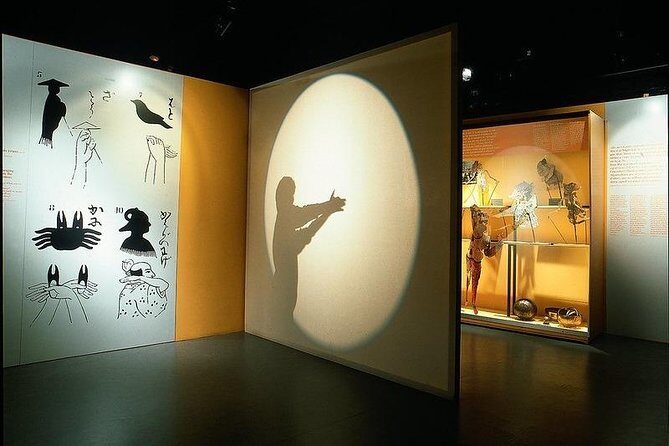
When you enter, you are guided into the story right away with a short introductory video on the first level. It is a smart move because it gives you a mental roadmap before the artifacts start flying at you.
From there, expect a layout that takes you upward and then back down through the years of cinematography. Lifts are available, and the museum is arranged so you can reach different levels without turning your visit into a staircase workout. I like that this matters in real life: if you want the best experience, you need to actually get to all the floors without stress.
Plan on stopping often. The museum is designed for looking and re-looking. Some displays make sense quickly; others reward extra time because they explain a process you might not know yet—like how an image changes when techniques change.
The Big Anchor: Museu del Cinema and the Pre-Motion World
The heart of the Cinema Museum Girona experience is its focus on the ideas before motion pictures truly took over. This is where the museum feels most unusual, because it shows how the seventh art did not appear out of thin air.
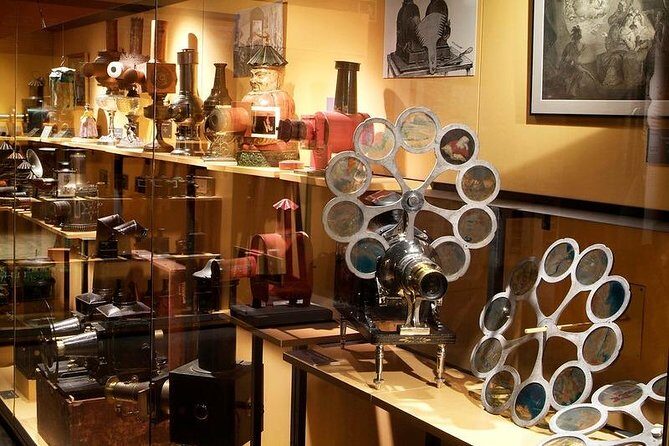
You will run into a strong emphasis on pre-motion picture instruments. In plain terms, the museum highlights earlier ways of creating visual effects before standard film cameras and projectors became widespread. A big example is the magic lantern, which guests often bring up because it is both historically important and fun to see explained.
What I like about this part is that it gives you context. Once you understand the early tools and tricks, later movie technology starts to feel less like magic and more like a chain of clever improvements. You can connect shadow play, image projection, and early animation to what came next.
If you enjoy hands-on learning, pay attention to the interactive elements. One guest described digitized magic lantern images you can interact with, and that kind of display is exactly the point: you are not just looking at old tech, you are learning what the tech does.
Interactive Displays That Teach You How Light Becomes Story
This museum has a friendly teaching style: it does not just list inventions. It shows techniques and lets you test your curiosity.
Expect lots of interactive components and short film clips. Guests specifically mention audio support that feels effective, and the museum experience is built around letting you move at your own pace. Some displays are more tactile (you press, switch, or activate). Others work best when you simply watch closely, because the effect is the lesson.
A particularly good match here is for people who like theater, performance, or stagecraft thinking. One review noted that a teen theater student enjoyed the museum because it helped explain how images create meaning, not just how they technically function. That idea matters: cinema is entertainment, but it is also communication. This museum frames it that way.
Also, the presentation feels intentionally clear. Visitors mention how well organized the museum is, with multiple floors and an introduction that helps you get your bearings fast. When a museum does that, you waste less time wondering where to go and more time learning.
Moving Through Time: From Medieval-Era Curiosity to Later Cinema
As you progress, the museum keeps widening the lens. You move from the early era of image experiments toward later developments in cinematography.
Guests describe the museum spanning medieval origins all the way into later periods, including time frames up to the 1970s or so. The official story arc is even broader, covering beginnings of the seventh art and continuing through the arrival of television. Either way, the pacing is built for wandering: you do not need to rush to finish “the timeline.” You can sample and still come away with a sense of the big changes.
This is where the visit becomes more satisfying for general visitors. If you only see “old stuff,” it can feel like archaeology. But if the museum links older visual tricks to later cinema and then to TV, it feels like watching ideas evolve. That connection is the payoff.





The Value Case: Why This Ticket Price Feels Fair
At $8.40 per person, the Girona Film Museum is priced like a local attraction, not a fancy add-on. And that matters because the museum gives you enough variety to justify the spend.
Here is how it adds up:
- You can easily spend over two hours if you stop for the interactive displays and videos.
- You cover a wide time span across multiple floors, so the visit does not feel like a quick peek.
- The visit supports self-paced learning with audio guidance, and the introductory video helps you start strong.
A bonus detail that can stretch your day: one guest mentioned a card for five museums that offers a discount (noting half-price). If you are planning multiple museum stops in Girona, this kind of pass can make the whole plan cheaper overall.
Bottom line: this is one of those buys where you do not need to be a die-hard film fan to feel like you got your money’s worth. If you are curious about how images work—how we got from projected light to modern screens—you will probably enjoy the time.
Timing and How Long You Should Plan
The visit duration is listed as roughly 1 to 5 hours, and that range is realistic. I would plan based on your style:
- If you prefer fast scanning, you might get the main story in about an hour or so.
- If you like interactive exhibits, plan around 2 hours or more.
- If you keep rewatching the short clips and testing the projection-related displays, you could approach the longer end of the estimate.
A good strategy is to give yourself “two passes.” First pass: follow the flow and watch the videos. Second pass: return to the interactive areas that caught your interest. That way you do not miss the pieces that click after you build context.
Who This Museum Is Best For (And Who Might Feel Meh)
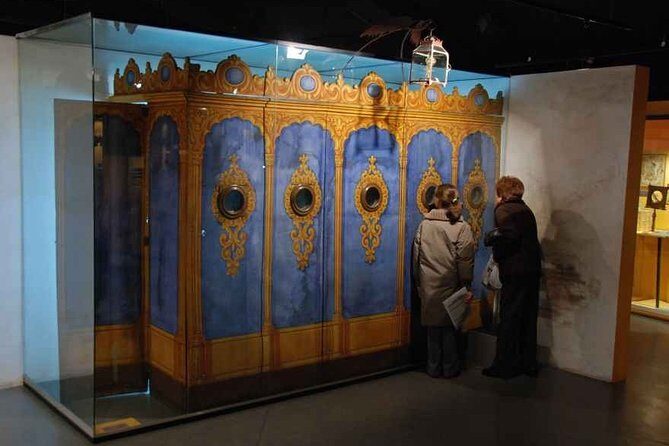
This museum works for a lot of people, but it will land hardest with certain interests.
You will likely love it if:
- You enjoy film history or the technology behind the magic
- You like museums with hands-on moments, not just glass cases
- You are traveling with a teen or student who likes learning through visuals and performance-related thinking
It might feel less satisfying if:
- You want modern cinema only, with little interest in older image-making tools
- You dislike museums that ask you to slow down and watch short videos repeatedly
That said, the presentation is designed so general visitors can keep up. The story is explained through displays and media, not through heavy reading.
Getting There and Practical Notes That Matter
The museum is near public transportation, which helps if you are mixing it into a day of walking and exploring Girona. It also uses a mobile ticket, so you can keep things simple on your phone.
Service animals are allowed, and in general the museum experience is set up so most travelers can participate. The presence of lifts is especially useful if you are carrying bags or if you want an easier route between levels.
Should You Book the Cinema Museum Girona?
Yes, I think you should book if you want a low-cost museum that teaches you something real about how cinema and TV grew out of earlier image tricks. The interactive displays, the focus on pre-motion instruments like the magic lantern, and the clear multi-floor layout make it feel worth your time even if you only have a couple of hours.
If you are the type who loves history but hates slow, text-heavy exhibitions, this one is built to keep you moving. And if you are traveling with someone who is more into learning through visuals than lectures, this museum is a strong match.
FAQ
FAQ
What is the name of the museum experience in Girona?
The experience is the Girona Film Museum, also called Cinema Museum Girona (Museu del Cinema).
Where is it located?
It is in Girona, Spain.
How much does it cost?
The price is $8.40 per person.
How long should I plan to spend there?
The visit duration is listed as about 1 to 5 hours.
Is the experience available in English?
Yes. It is offered in English.
Do I need to print a ticket?
No. You get a mobile ticket.
What happens when I arrive?
The visit begins with a short introductory film on the first level, followed by exploring the museum across multiple levels.
Is there accessibility support in the museum?
Yes. Lifts are available to reach different levels.
Is free cancellation available?
Yes. You can cancel up to 24 hours in advance for a full refund.