REVIEW · BARCELONA
Panoramic Barcelona and Montserrat Excursion
Book on GetYourGuide →Operated by Julia Travel Gray Line Spain · Bookable on GetYourGuide
Barcelona and Montserrat in one day.
That’s the hook here: you get big city views from Montjuïc and then swap crowds for a monastery visit high in the mountain. I especially like the way the day mixes transport rides with real cultural stops: a Montjuïc cable car run for that aerial view, then the cogwheel train down from Montserrat. The one thing to plan around is that the schedule includes walking and steps, and the Montserrat half can feel pretty strenuous if you’re not used to hills.
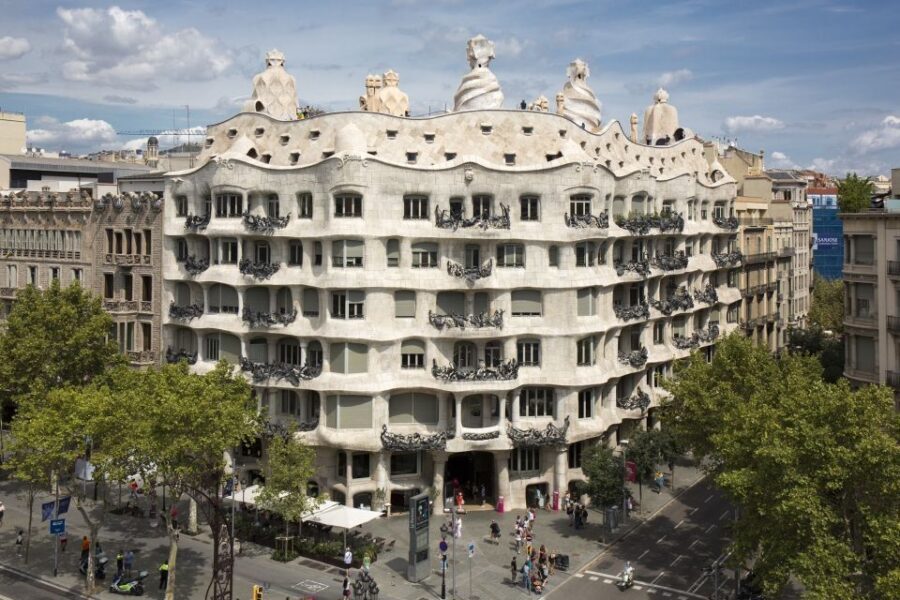
On the Barcelona side, you’re not just staring at famous buildings from a distance. You get time for the Gothic Quarter sights and key central stops like Plaça Sant Jaume, Arc de Triomf, and the Gaudí classics along Passeig de Gràcia, including La Pedrera and Casa Batlló (quick sightseeing stops, not full museum visits). On Montserrat, the guided time is hands-on and specific, with access connected to the Moreneta (Black Madonna) and a tasting of local liqueurs.
Before you book, consider fitness and pace. This is not a sit-and-scroll day: you’ll do a mix of guided walking and time on your feet, and at Montserrat you’ll likely face uphill paths and steps. If you hate heights, the cable car might also be a mental hurdle—though it’s short and the views are the whole point.
In This Review
- Key Things You’ll Notice on This Excursion
- Meeting in Estació del Nord: The Day Starts Clean and Simple
- Morning in Barcelona: Gothic Quarter Squares, Cathedral Area Views, and Arc de Triomf
- Passeig de Gràcia and the Gaudí Stops: La Pedrera and Casa Batlló Without the Deep Dive
- Montjuïc Castle and the MNAC Viewpoint: The View Stops That Make It Worth the Drive
- Riding the Montjuïc Cable Car: Short Time, Big Payoff
- The Built-In Break Back in Barcelona: Use Your 3 Hours Wisely
- Recheck-In at 1:45 PM: Switching Gears Without Losing Momentum
- Coach Ride to Montserrat: The Mountain Begins Before You Arrive
- Guided Monastery Visit: Saint Benedict, Gothic and Renaissance Details, and Santa Cova
- The Moreneta Experience, Liqueur Tasting, and Espai Audiovisual Montserrat
- Cogwheel Train Down and Market Time: How to Finish Montserrat Well
- Time on Foot: Pace, Steps, and What to Wear
- Price and Value: Is $113 Fair for This Mix of Rides and Access?
- Who This Tour Fits Best (and Who Should Skip)
- Should You Book It?
- FAQ
- Where do I meet the guide?
- What time does the tour start, and when do I check in for Montserrat?
- How long is the tour?
- What’s included in the ticket?
- Is the Montserrat museum included?
- What should I bring?
- Is there walking involved?
- What happens if the Montjuïc cable car is under maintenance?
Key Things You’ll Notice on This Excursion
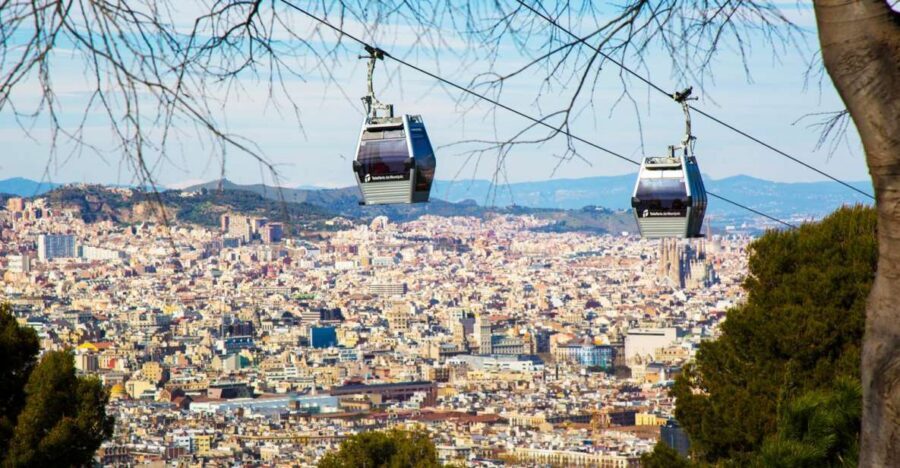
- Montjuïc Cable Car time is built in for views before you head back into the city rhythm
- Moreneta access plus monastery guidance gives context, not just a photo stop
- Cogwheel train down from Montserrat adds a classic, scenic finish
- You get a liqueur tasting (4 types), not just a cultural lecture
- Free time in Barcelona is real, so you can steer the day toward your interests
Meeting in Estació del Nord: The Day Starts Clean and Simple
Your day kicks off at Estació del Nord, with the meeting point set right on the ground floor in front of platform 19. Show up about 15 minutes early so you’re not stressed with navigation, tickets, or finding your guide. The tour also runs with a radio guide system, which matters because Barcelona’s streets can be loud and you’ll be doing short stop-and-look segments.
This matters because the schedule is tight. You’re not doing a slow, half-day stroll. You’re stacking sights: a walking start in central Barcelona, then a panoramic bus portion, then a cable car, and finally a coach ride to Montserrat.
If you like clear logistics and a guide who keeps the group moving without making it feel like a race, this setup usually works well. It also helps if your Spanish is basic or your English needs a hand—this tour is offered in both languages.
You can also read our reviews of more tours and experiences in Barcelona.
Morning in Barcelona: Gothic Quarter Squares, Cathedral Area Views, and Arc de Triomf
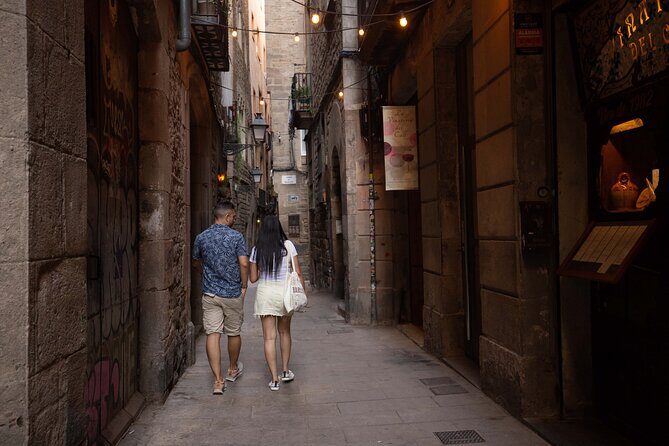
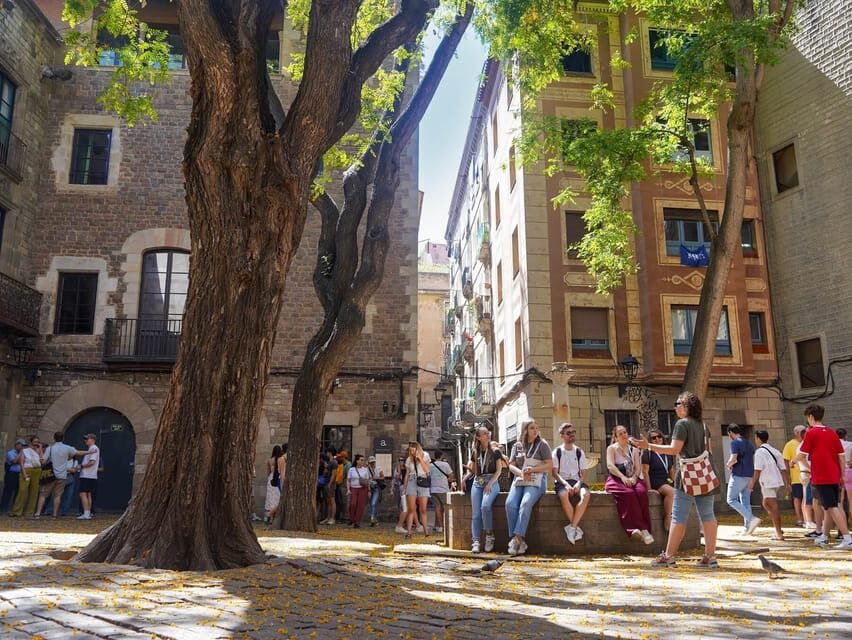
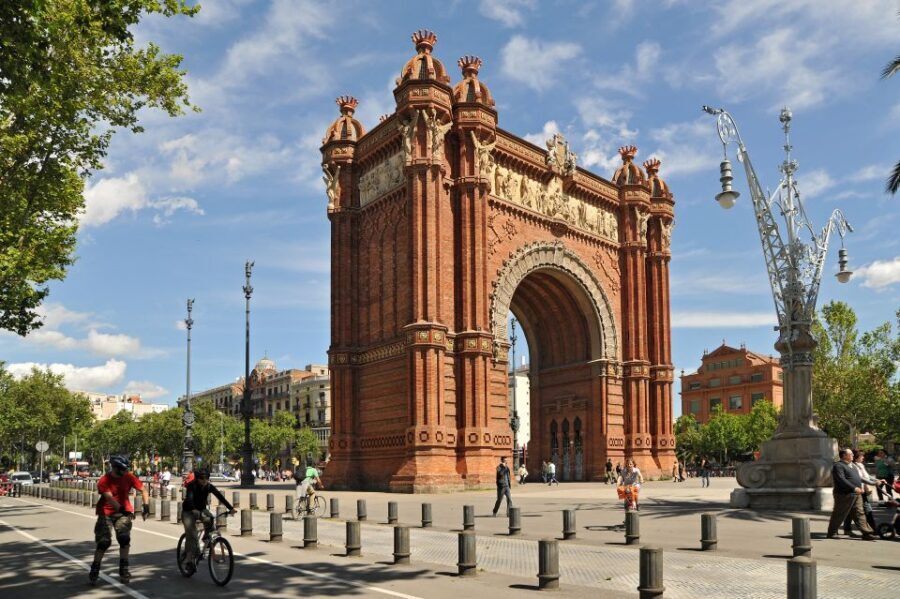
The early part focuses on central Barcelona. You’ll walk through the Gothic Quarter area and get scheduled sightseeing time around several landmarks, including the Barcelona Cathedral area (note: entry is not included), Plaça Sant Felip Neri, Arc de Triomf, and Plaça Sant Jaume.
I like this approach because it gives you orientation fast. The Gothic Quarter can look like a maze, and a guided pass helps you connect street names, squares, and why certain buildings are where they are. Plaça Sant Jaume is a good example: it’s one of those spots that feels important, and your guide helps you understand why it became a focal point.
Two practical notes:
- You’ll likely cover enough ground that comfortable shoes aren’t optional.
- Cathedral time is sightseeing only, so don’t plan on an inside visit unless you buy that separately.
One detail I picked up from the experience vibe is that guide quality can make or break the morning. In the past, guides like Valeria and Gloria have been praised for being considerate and knowledgeable. If your group gets a strong narrator, the morning feels much more meaningful than a checklist.
Passeig de Gràcia and the Gaudí Stops: La Pedrera and Casa Batlló Without the Deep Dive
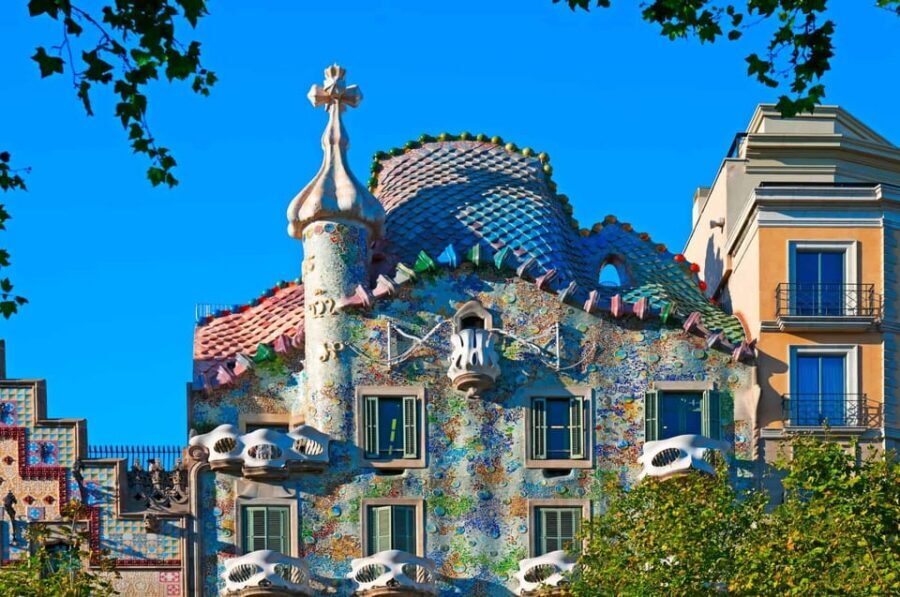
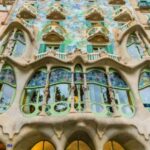
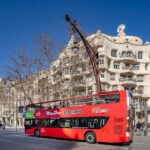
After the morning walking segment, the panoramic portion shifts to the city’s iconic modernist streets. You’ll pass along Passeig de Gràcia and get sightseeing time for two of Gaudí’s most famous works: La Pedrera and Casa Batlló.
Here’s the honest value of these stops: you get the visual impact without the long museum commitment. If you want to go deeper later, you’ll have the groundwork to decide what you care about most. If you only have one full day in Barcelona, these quick stops still help you recognize what’s unique—curves, symbolism, and the way the buildings look like sculpture even before you go inside.
This is also where the day earns its “panoramic” label. You’re moving efficiently, seeing more variety, and not burning hours waiting in lines you might not even want.
Montjuïc Castle and the MNAC Viewpoint: The View Stops That Make It Worth the Drive
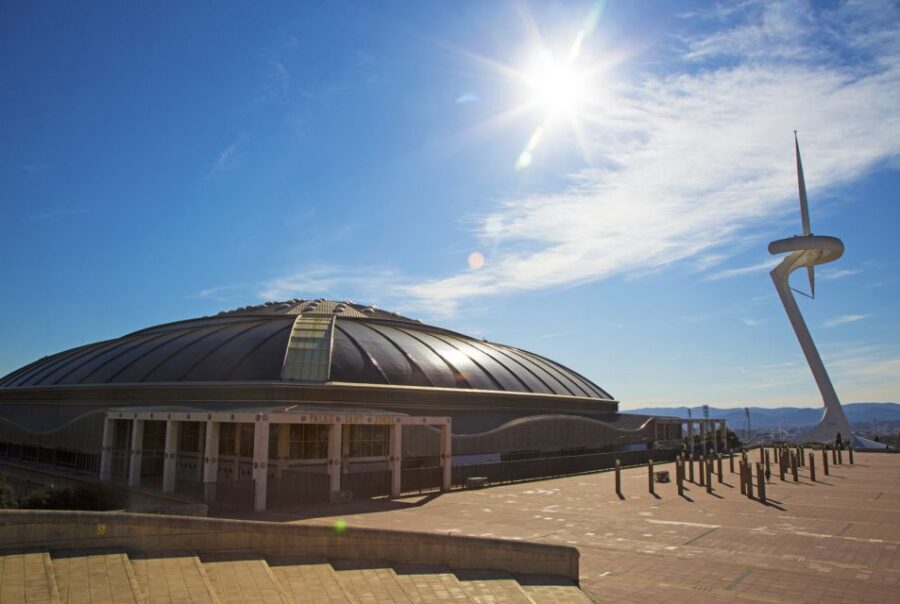
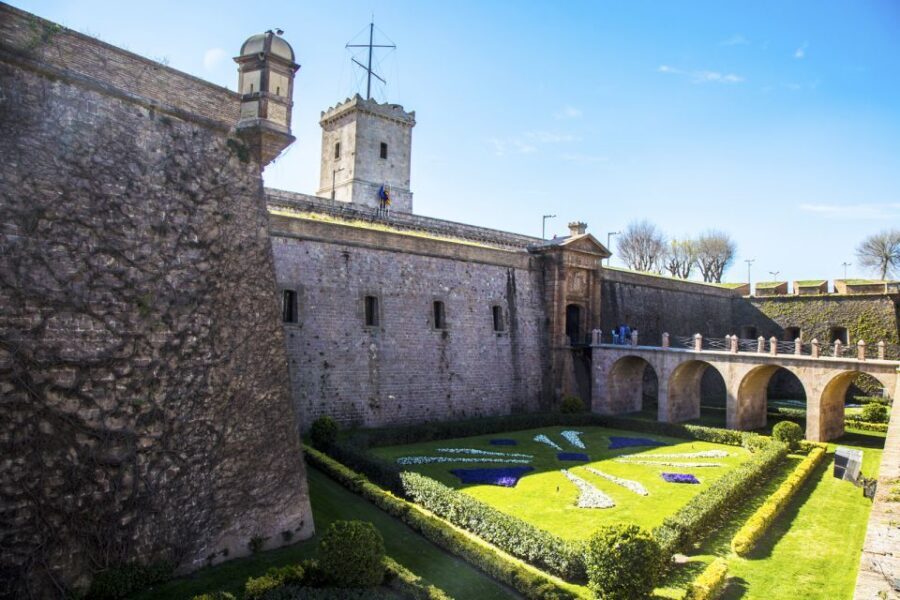
The bus route includes viewpoint time connected to Montjuïc and the MNAC area. You’ll stop to take in views and get oriented around Montjuïc Castle and the 1992 Olympic zone.
I like this part because it helps you understand Barcelona’s geography. The city isn’t flat; it’s a mix of seaside and hills. Once you see Montjuïc from the right angles, the rest of your day on your feet makes more sense.
There’s also a quality of “scale” here. From a viewpoint, you start seeing how Barcelona expands outward. The architecture you’ve been chasing on foot suddenly fits into a bigger picture—water, streets, and the rise toward the mountain.
Riding the Montjuïc Cable Car: Short Time, Big Payoff
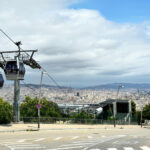
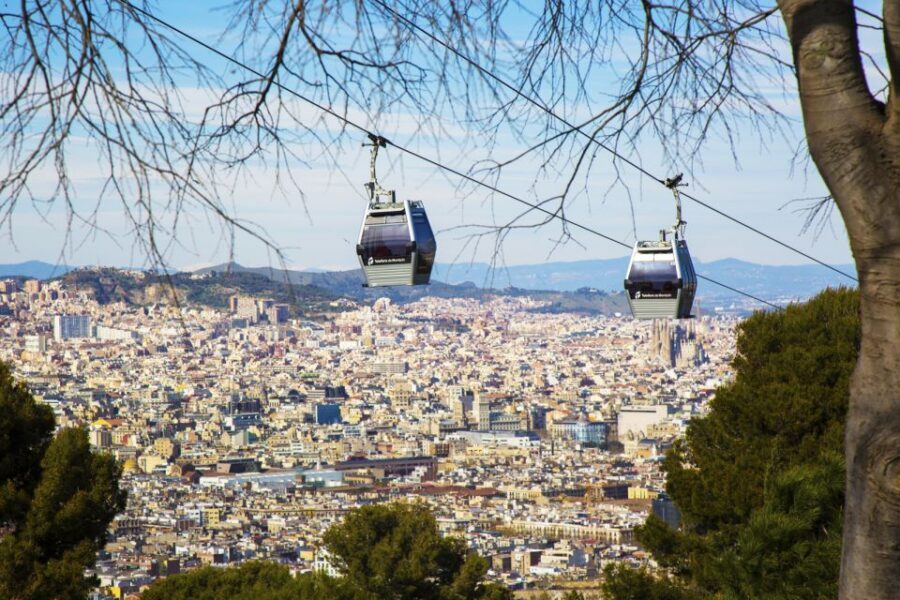
Then comes one of the most memorable pieces of the day: the Montjuïc cable car ride. You get an aerial view over Barcelona, and because the ride is built into the flow, you’re not guessing when to fit it in.
Two things to keep in mind:
- The cable car is only as good as your timing, so stay alert and ready when they call the group.
- If you’re nervous about heights, you might feel more tense than excited. The good news is the ride is brief, and you’ll likely walk away with great photos and a clearer mental map.
The itinerary notes that from January to the beginning of March, the Montjuïc cable car is under maintenance and service is replaced by the Port Cable car. That’s still worth doing, just treat it as a swap rather than a disappointment. When an operator changes the ride, the key thing is you still get that “up and above the city” perspective.



The Built-In Break Back in Barcelona: Use Your 3 Hours Wisely
After the morning city portion, you return to the meeting office area and get about three hours free time to explore on your own. This is a smart design choice for people who don’t want every minute scripted.
Use the break for something practical:
- Grab a sit-down snack or coffee before Montserrat.
- Decide whether you want a closer look at one of the modernist exteriors you saw on the bus.
- If you like wandering, keep it light—Montserrat can be energy-heavy.
One caution from real experience: one person reported having to manage and pay additional for the return. The details weren’t clear in the note, so I’d treat it as a reminder to confirm what’s included for the return logistics with your guide at the start. Ask one direct question: When and where do we return, and is everything covered by the package? It only takes a minute, and it prevents day-of stress.
Recheck-In at 1:45 PM: Switching Gears Without Losing Momentum
For the afternoon, you check in again at 1:45 PM at the same office area (Estació del Nord). The departure to Montserrat is 2:00 PM. This structure matters because you don’t just roll straight into the long coach ride—you reset, meet your guide again, and then settle in.
It also keeps the afternoon consistent. You’re not left hunting around for the right coach or losing time to confusion. On a day like this, small friction becomes big friction, fast.
Coach Ride to Montserrat: The Mountain Begins Before You Arrive
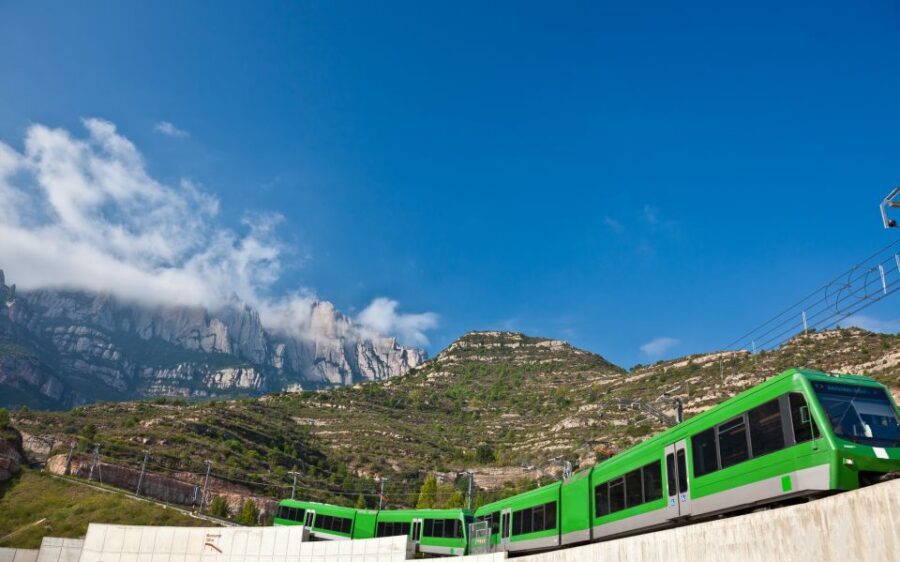
The drive is about one hour on highway before you reach Montserrat. Even before the monastery appears, you’ll feel the shift. The air gets different, the terrain changes, and the mood goes quieter.
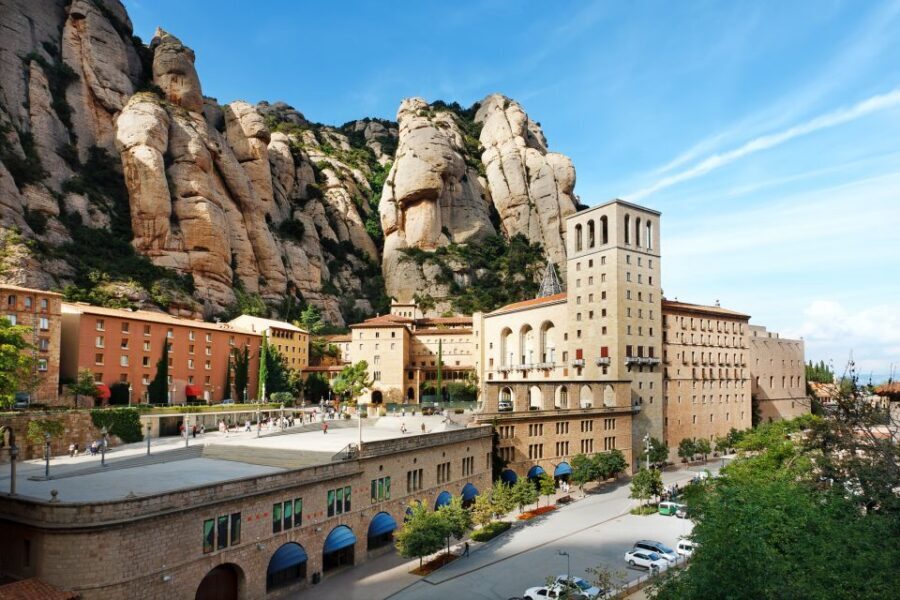
Montserrat is famous enough that it’s easy to think you already know it. But the mountain’s name tells you the idea: Mont (mountain) + serrat (serrated). The rock formations look jagged, like teeth. That’s not just poetic—it’s what makes Montserrat feel dramatic and oddly sculpted.
This is also where your tour’s structure pays off. You’re not arriving and figuring it out alone. A local guide leads you through what matters most.
Guided Monastery Visit: Saint Benedict, Gothic and Renaissance Details, and Santa Cova
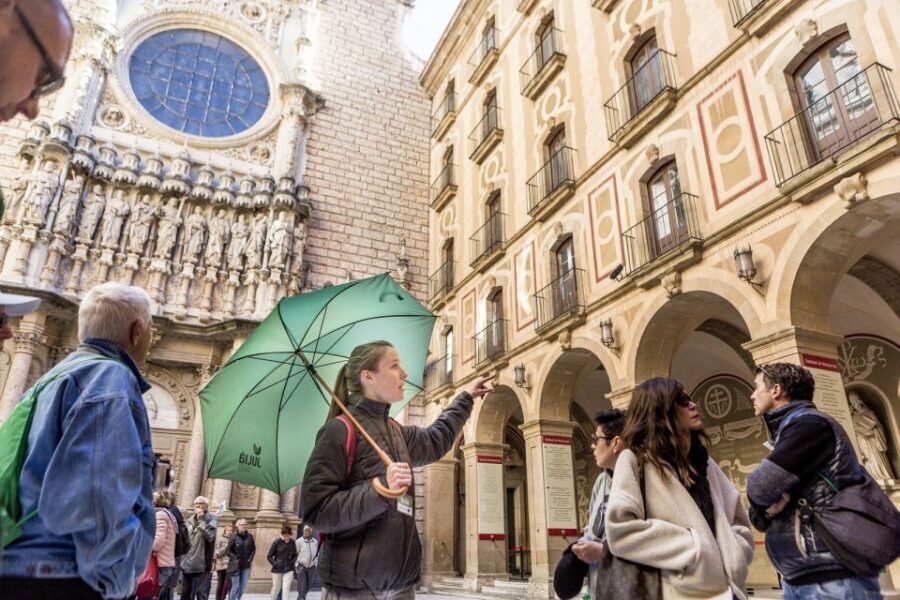
Once you arrive, the guided portion focuses on the Monastery and the basilica and sanctuary details. You’ll learn the monastery’s background and architectural style, including Gothic and Renaissance elements.
One fact that sticks: around 80 monks currently live at Montserrat, and they follow the rule of Saint Benedict. Knowing that makes the place feel alive, not like a museum set.
You’ll also hear the legend tied to the Santa Cova (the cave where the Madonna and Child are said to have appeared). The story connects to the famous carving of the Virgin associated with the monastery. You’ll then visit the church area where the figure is kept.
And yes, the “Black Madonna” detail isn’t just a nickname. You’ll learn that La Moreneta (The Black Madonna) is known for its dark coloring, linked to a varnish reaction explanation. It’s the kind of detail I like because it’s specific and it gives you something real to remember beyond color and symbolism.
A good guide makes this part flow. In past experiences, strong guides like Gloria and John have helped turn the monastery tour into more than a pass-through.
The Moreneta Experience, Liqueur Tasting, and Espai Audiovisual Montserrat
Your included time at Montserrat is more than a walk around stone buildings. Your tour includes access connected to the Moreneta, plus:
- a tasting of 4 typical local liqueurs
- entry to the audiovisual exhibition Espai Audio visual Montserrat
That audiovisual space is designed around three pillars: the mountain, the monastery, and the sanctuary. For you, that means you’re not going into the monastery “cold.” Even a short intro can make the architecture and stories click faster.
About the liqueurs: it’s a tasting, not a heavy drinking event. It’s also a nice way to end the guided portion without needing another formal stop. If you’re driving later, keep it light and sip slowly.
Cogwheel Train Down and Market Time: How to Finish Montserrat Well
After the monastery-guided portion, you take the experience down with the cog-wheel train. That’s a classic Montserrat feel, and it also solves a practical problem: getting back without retracing every steep path.
Then you’ll have free time to enjoy the surroundings and visit the market selling local agricultural and typical products. I like this because it’s not a forced sit-down meal. You can browse, snack, or buy something small to take home.
There’s also time on your own to explore small churches and trails. If you want a quick viewpoint payoff, the tour notes a recommendation: walk to the cross of Sant Miquel, about 15 minutes from the monastery, for one of the best views of the area.
If you do that, bring your patience. The point isn’t speed; it’s the view and the break from group pacing.
Time on Foot: Pace, Steps, and What to Wear
This is the part I don’t soften. The day includes walking, and Montserrat involves steps and uphill routes. If your legs are steady and you can handle uneven surfaces, you’ll be fine. If you struggle on hills, you may find the second half tiring.
A couple tips that come straight from the structure of the day:
- Wear comfortable shoes with grip.
- Bring a layer for Montserrat. Even if Barcelona is warm, the mountain can feel cooler.
- Expect that not every stop is long; it’s frequent short segments.
One review noted how the walking was more intense than expected in the city portion, and another described the Montserrat half as extremely strenuous. That matches the reality of how Montserrat is laid out. You’ll enjoy it more if you plan your energy instead of trying to power through.
Price and Value: Is $113 Fair for This Mix of Rides and Access?
At $113 per person, this tour doesn’t feel like a bargain or a splurge. It feels like a “bundle deal” built around transportation and key inclusions.
Here’s what you get bundled:
- Montjuïc cable car ride
- panoramic Barcelona touring
- access to the Black Madonna (Moreneta)
- cog-wheel train down from Montserrat
- tasting of 4 local liqueurs
- entry to Espai Audio visual Montserrat
- an air-conditioned coach and a local guide
- radio guide system
- walking tour through El Born and the Gothic Quarter (listed through March 15, 2026)
If you tried to assemble this yourself, you’d be paying for rides, guided time, and admissions separately, and you’d still need to manage timing between city and mountain. For many people, that’s the value: less coordination work, more scenic and cultural time.
So the question isn’t only cost. It’s whether you want a guided day that handles the heavy lifting of sequencing.
Who This Tour Fits Best (and Who Should Skip)
This tour is a great match if you want:
- a guided introduction to both Barcelona and Montserrat in one day
- the signature Montjuïc viewpoint experience
- a real monastery story focused on La Moreneta
- a scenic return element with the cogwheel train
It’s less ideal if you:
- have mobility limitations, since it isn’t recommended for reduced mobility or wheelchair users
- don’t handle hills and steps well
- get easily stressed by structured pacing
If you’re the kind of traveler who likes a mix of iconic sights and meaning—plus one or two moments of real quiet in the monastery setting—you’ll likely enjoy the day.
Should You Book It?
I think you should book this tour if you’re aiming for maximum “wow per hour” with a guided plan that includes both Montjuïc views and the Montserrat monastery and Moreneta experience. The included cable car ride and cogwheel train down are major scene-setters, and the audiovisual stop helps make the monastery visit feel purposeful rather than random.
Skip it, or at least think twice, if you know you struggle with hills, steps, and long stretches of standing. The day is structured and worth it, but it isn’t gentle.
If you do book, my advice is simple: wear grippy shoes, confirm any return logistics questions up front, and save your biggest energy for Montserrat. That’s where the day turns from sightseeing into something you’ll remember.
FAQ
Where do I meet the guide?
You meet your guide at the local partner’s office on the ground floor, right in front of platform 19 in Estació del Nord metro station. Arrive about 15 minutes early.
What time does the tour start, and when do I check in for Montserrat?
The panoramic portion meets at 09:00. For the Montserrat part, you check in back at the office at 01:45 PM, and the coach departs at 02:00 PM.
How long is the tour?
The duration depends on the time of year. It’s listed as about 9 hours 15 minutes to 10 hours 45 minutes (including transportation), depending on the season.
What’s included in the ticket?
Included are the Montjuïc cable car ride, Barcelona panoramic tour, access to the Black Madonna (Moreneta), the cog-wheel train down from Montserrat, tasting of 4 local liqueurs, entry to the Espai Audio visual Montserrat exhibition, transportation by air-conditioned coach, a local guide, bilingual tour support (English and Spanish), and a radio guide system.
Is the Montserrat museum included?
No. Entrance to the Montserrat Museum is not included.
What should I bring?
Bring a passport or ID card and wear comfortable shoes.
Is there walking involved?
Yes. The tour includes some walking and time on your feet, and it’s not recommended for people with mobility impairments.
What happens if the Montjuïc cable car is under maintenance?
From January to the beginning of March, the Montjuïc cable car is under maintenance and service is replaced by the Port Cable car.