REVIEW · BARCELONA
Tasty Barcelona Street Food Tour With Local Market Visit
Book on Viator →Operated by Tasty Tours - Europe Food Tours · Bookable on Viator
Forks, stories, and Barcelona in two hours. This street food tour works because it mixes market bites with cultural stops that actually explain what you’re eating and why Catalan food tastes the way it does. I also like how the tastings are positioned as enough to feel like a real meal, not a handful of crumbs. The main drawback: if you need gluten-free, dairy-free, or vegan food, this tour isn’t set up for it.
You’ll meet near LiceuCiutat Vella and finish by Carrer de la Llibreteria, moving through the Gothic Quarter at a 2h 30m pace that’s friendly for a moderate walking level. It’s offered in English, and the group stays small enough to ask questions while you snack. Dress smart casual, and come ready to walk rather than park your feet and stare.
In This Review
- Key things I’d circle before you book
- A Local Market-to-Gothic-Quarter Route for Real Catalan Bites
- First Stop: Mercat de la Boqueria and the La Rambla Warm-Up
- Barri Gòtic Meets El Call: Square Stories and Bakery-Stop Flavor
- Plaça de Sant Jaume Pinchos: City Landmarks Plus Small Bites
- Roman Barcelona and the Sweet Finish at Patisseria Santa Clara
- Price and Logistics: Is $54.22 Good Value?
- Pacing, Group Size, and Who This Tour Suits
- What to Watch For: Dietary Limits and Food Expectations
- Guides You Might Meet and the Type of Service to Expect
- Should You Book This Street Food Tour?
- FAQ
- How long is the Tasty Barcelona Street Food Tour?
- How much does the tour cost?
- Is the tour offered in English?
- What’s included in the price?
- Are drinks included?
- Can vegetarians or people with food restrictions join?
- Where do I meet and where does the tour end?
Key things I’d circle before you book
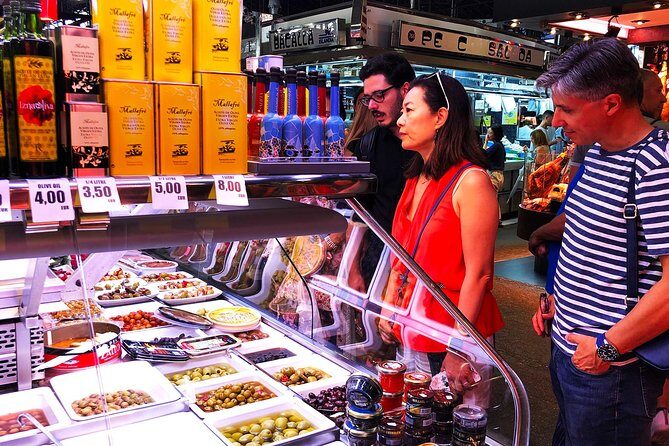
- Boqueria + Las Ramblas right at the start, so you get your bearings and appetite fast
- Pinchos and local bakery bites make the food feel specific to neighborhoods, not generic “Spain”
- El Call history stop ties Jewish Barcelona to what the city tasted like for everyday people
- Roman Barcelona moments at the Temple of Augustus Columns to connect old layers of the city
- Tarta de Formatge ends things on a sweet note with a classic Catalan cheesecake
A Local Market-to-Gothic-Quarter Route for Real Catalan Bites
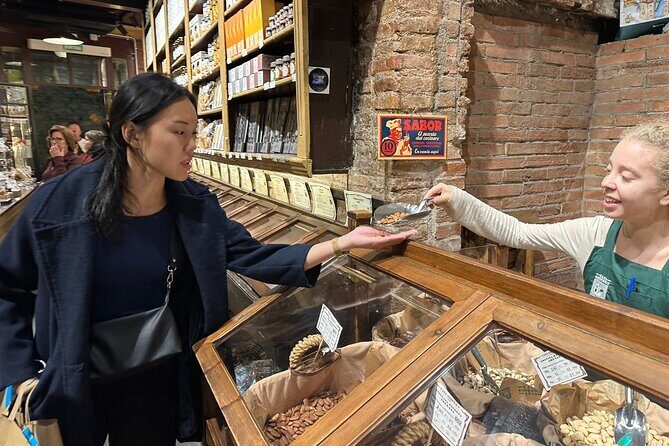
This tour is built around one smart idea: you eat better when you understand the place. Starting in a real market and then walking through the Barri Gòtic keeps the experience grounded in everyday life, not just famous photo spots.
I like that the day isn’t split into “history first, then food.” Instead, the history gives you context—like why cured ham matters in Catalonia or what pinchos culture feels like in the old streets. And because you’re on a guided group walk, you don’t have to guess what to order, where to stand, or when to move.
One note on expectations: the food is focused on classic Barcelona staples. That’s great if you want the essential flavors and a guided tasting path. If you’re hunting for unusual experimental items only, you might find some bites feel familiar.
You can also read our reviews of more food & drink experiences in Barcelona



First Stop: Mercat de la Boqueria and the La Rambla Warm-Up
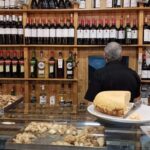
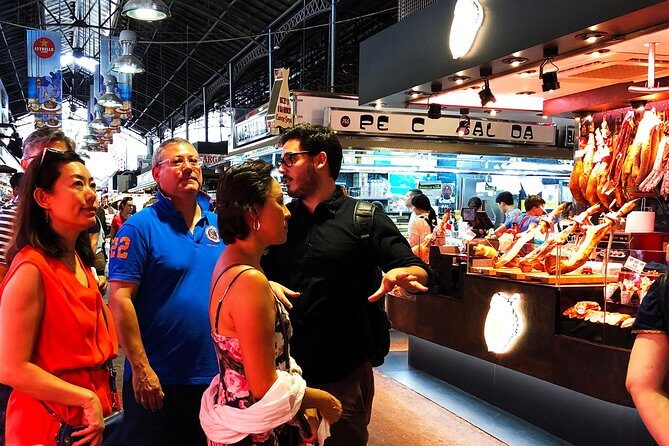
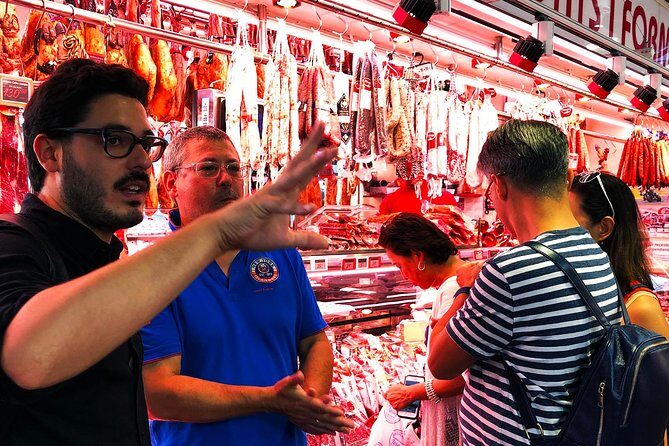
You begin at Mercat de la Boqueria near the market entrance. From there, you walk along the stands and try items like fried fish and typical jamón—plus other market favorites that match what’s good that day. The timing is useful: you get your first tastes early, before the Gothic Quarter gets crowded and noisy.
After the market, you’ll head toward Las Ramblas. I find this part helps you connect Barcelona’s “main drag” energy to the smaller, older lanes ahead. Even if Las Ramblas is touristy, it’s still a practical corridor for getting from market life to medieval streets.
What to look for while you’re walking: the difference between “wow, it’s pretty” and “this actually feeds people.” Boqueria is both. The best moments are when the guide points out what locals treat as normal—salt, fat, crunch, and smoke—rather than turning everything into a show.
Barri Gòtic Meets El Call: Square Stories and Bakery-Stop Flavor
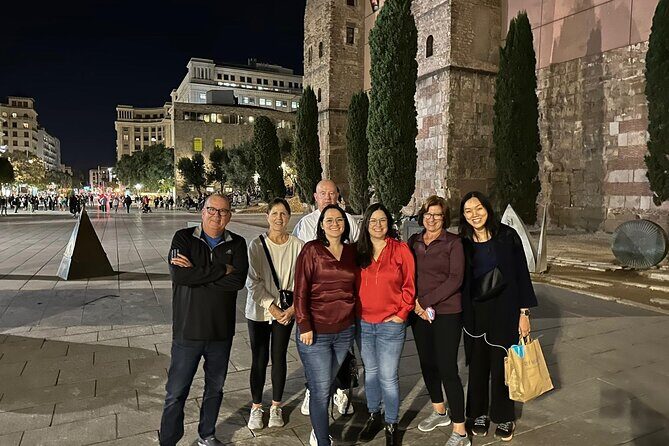
Next you move into the Gothic Quarter around Plaça de Sant Agustí Vell. This is where the tour starts stitching the city together: history isn’t separate from eating, it’s the backdrop. You’ll learn about the square’s culture and then step into a local bakery stop to try fresh dishes.
That bakery moment matters more than it sounds. Markets give you spectacle; bakeries give you rhythm—what people grab for breakfast, lunch, or a mid-walk snack. It also keeps the tour from becoming only “salt-and-ham” territory.
Then comes El Call, the historic Jewish neighborhood of Barcelona. You’ll get context on how Jewish residents lived within Catalan culture. I like this stop because it adds weight to the streets you’re walking—so you’re not just strolling through pretty stone, you’re walking through layers of real community history.
A small practical tip: this section of the route is made for listening. If you’re the kind of person who wants explanations but also wants to take photos, plan to do both—but don’t try to do everything at once. The guide’s stories help you understand the next bite.
Plaça de Sant Jaume Pinchos: City Landmarks Plus Small Bites
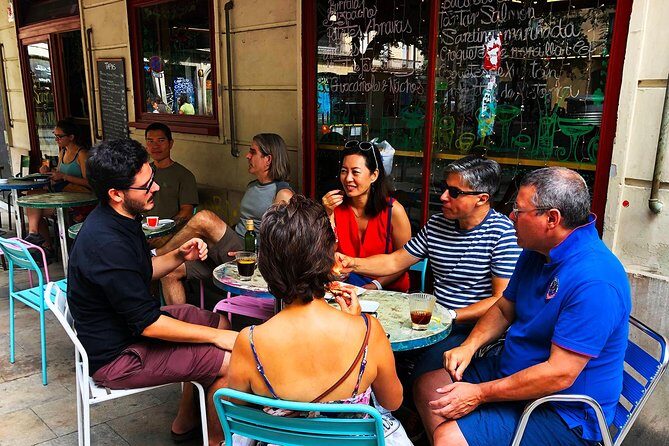
You’ll reach Plaça de Sant Jaume, where Barcelona’s city hall, the Generalitat, and the Pont del Bisbe sit in your orbit. This stop is a nice shift: it’s about landmarks and the civic side of the city, not just the market and the church-adjacent lanes.
Then you get a round of pinchos. Pinchos are small, snack-sized Spanish appetizers that often turn into a mini meal through variety. I love pinchos on a tour because they let you sample without committing to one big plate. It’s also a good way to taste the balance of flavors—salt, bread, toppings—without the meal feeling heavy too early.
If you’re thinking about what to order later in Barcelona, pinchos are a cheat code. You start to recognize what you’ll like: whether you lean toward richer toppings, fresher bites, or something more savory and warming.
Roman Barcelona and the Sweet Finish at Patisseria Santa Clara
The Gothic Quarter leg ends with a Roman thread: the Temple of Augustus Columns, described as the heart of Roman Barcelona. This is one of the stops that makes the whole walk feel different from a pure food crawl. You’re seeing how old Barcelona sat on top of older Barcelona, which helps the food feel less like a list and more like a local tradition.
The final bite is at Patisseria Santa Clara, where you try cheesecake—locally called Tarta de Formatge. This ending works because it clears the palate after salty bites and gives you a distinctly Catalan flavor to remember.
Sweet tastes on tours can be hit-or-miss, depending on how rushed things get. Here, you’re finishing after enough walking and enough savory food that the cheesecake feels like a payoff, not a random sugar bomb.
You can also read our reviews of more tours and experiences in Barcelona

Price and Logistics: Is $54.22 Good Value?
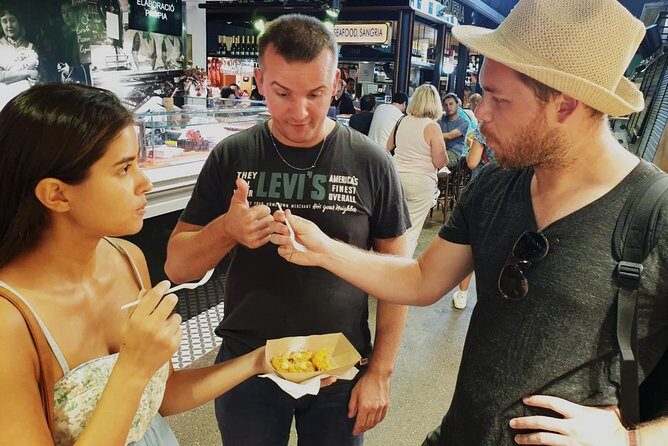
At $54.22 per person for about 2 hours 30 minutes, the value hinges on two things: how much food you actually receive and how smoothly the guide connects it to the city. The tour includes several food tastings, a professional guide, and a small group setup.
For Barcelona, where you can easily pay for market items individually, guided tastings can make sense—especially because you’re not just “buying food,” you’re getting a sequence. You also avoid decision fatigue. You don’t need to ask, What’s worth it here? or How much should I order? The tour answers that for you.
One thing to plan for: drinks aren’t included. That can quietly change your budget if you pair tastings with lots of beverages. If you want to keep costs predictable, decide ahead of time whether you’ll bring water or pick drinks only after the tour ends.
Also, the tour can be booked about 43 days in advance on average, so if you’re traveling during busy periods, don’t wait for the last minute. And yes, it runs with a maximum of 100 travelers—still, it’s best to treat this as a walk in a busy city, not a quiet museum.
Pacing, Group Size, and Who This Tour Suits
The tour is designed for moderate physical fitness, which basically means you should be comfortable walking through dense neighborhoods for a few hours. You’re not climbing hills or doing anything extreme, but you’ll be on your feet. If you tire easily, plan breaks only when the group stops—don’t disappear every time someone mentions a landmark.
This is also a good group style for people who want to meet others without feeling stuck with them. You’ll be with like-minded foodie travelers, and the pace is built so you can talk briefly while still keeping up. Small group format matters here because it makes the guide’s Q&A practical rather than performative.
Who it’s a fit for:
- First-timers who want Barcelona food + context in one go
- People who like guided walking and short explanations tied to snacks
- Travelers who want a straightforward plan that reduces guesswork
Who should skip or rethink:
- Anyone needing gluten-free, dairy-free, or vegan options (not accommodated on this tour)
- People expecting lots of rare, offbeat flavors instead of core classics
- Anyone who wants drinks included in the price
What to Watch For: Dietary Limits and Food Expectations
Diet is the biggest caution. This tour does not accommodate gluten-free, dairy-free, or vegan participants. Vegetarian can be accommodated if you advise them in advance, which is the kind of detail you should do early—don’t assume it’s automatic.
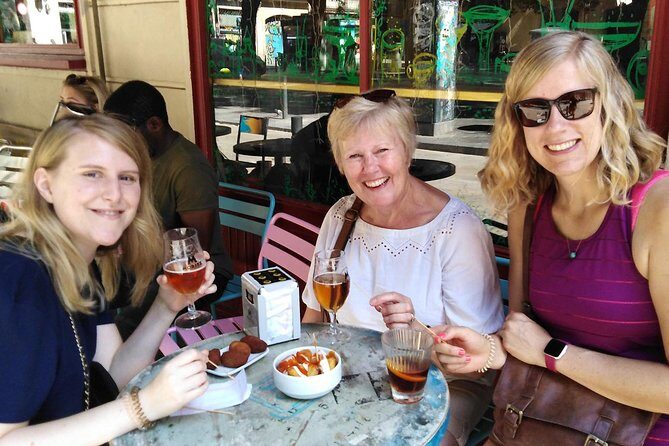
Next is food expectation. The tour is set up around recognizable Spanish and Catalan basics: cured ham, fried fish, bakery items, pinchos, and cheesecake. That’s a strength if you want the “yes, I get it now” version of Barcelona. It can feel less satisfying if your idea of street food means only deep-fried oddities or very obscure regional experiments.
Finally, be aware that tastings can vary and places visited may change. That’s normal in food tours—markets and availability shift. The upside is flexibility; the downside is you shouldn’t lock yourself into craving one specific item as your only goal.
Guides You Might Meet and the Type of Service to Expect
The guides on this tour style clearly aim for a personal experience. In past groups, guides like Vincens/Vincenzo and Sophia are praised for being attentive and for adjusting to what people like and dislike. That kind of listening matters because it changes the tastings from a scripted conveyor belt into something more relevant to your palate.
Even if your guide isn’t the same person, you can still look for the same behavior: do they ask what you enjoy, do they follow up, and do they explain the cultural logic behind the food? On a tour like this, that’s what turns “snack time” into actual understanding.
Should You Book This Street Food Tour?
I’d book it if you want a guided, efficient way to eat your way through Barcelona’s market energy and the Barri Gòtic’s historic layers. The price is reasonable for a 2h30 food-and-stories format, especially since tastings are included and you’ll be walking with a guide who connects food to place.
Book with a little caution if you’re strict about dietary needs. Gluten-free, dairy-free, and vegan participants should look elsewhere. If you’re vegetarian, message in advance so you’re not scrambling at the start.
One practical move before you go: come with an appetite, but don’t assume you’ll be fully fueled if you also add drinks. You’ll finish with cheesecake, but drinks are on you.
If your schedule is flexible, you’ll have the option of free cancellation up to 24 hours before the experience starts, so you can keep your plans fluid as you firm up the rest of your Barcelona days.
If you want an easy win—street food, market life, Gothic Quarter history, and pinchos without the guesswork—this one is a solid choice.
FAQ
How long is the Tasty Barcelona Street Food Tour?
It runs for about 2 hours 30 minutes.
How much does the tour cost?
The price is $54.22 per person.
Is the tour offered in English?
Yes, it’s offered in English.
What’s included in the price?
You get several food tastings, a professional guide, and a small group tour.
Are drinks included?
No, drinks are not included.
Can vegetarians or people with food restrictions join?
Vegetarian participants can be accommodated if you advise in advance. The tour does not accommodate gluten-free, dairy-free, or vegan participants.
Where do I meet and where does the tour end?
You meet at LiceuCiutat Vella, 08002 Barcelona, Spain, and the tour ends at Carrer de la Llibreteria, 21, Ciutat Vella, 08002 Barcelona, Spain.