REVIEW · BARCELONA
Barcelona: Guided Walking Tour
Book on GetYourGuide →Operated by Carpe Diem Tours · Bookable on GetYourGuide
Barcelona has a dark side.
This 2-hour guided walk in Catalonia takes you through the Gothic Quarter with a local guide who stitches together stories across more than 2,000 years, from Roman Barcino to Barcelona today. It’s not just a parade of monuments. You’re walking in the places where legends, architecture, and Catalan culture all bump into each other. I especially like the way the guides turn the streets into a timeline (often with real personality), and the lineup of stops, from Barcelona Cathedral to Sant Felip Neri Square and the final stretch at Santa Maria del Mar. The main consideration: it’s a compact tour with short guided moments at each stop, so you’ll need to accept a brisk pace rather than lingering.
If you want a first-day win, this is a smart one. The price is low enough that you can spend your money on tapas after, and the English live guide helps you understand what you’re looking at. It’s also flexible in format, with a private group available. Just plan on comfortable shoes, because you’re walking and stopping often.
In This Review
- Key highlights to look for
- A Gothic Quarter walk that feels like a storyline
- Plaça Nova and Escultura Barcino: start where the timeline begins
- Els Quatre Gats: art-world vibes in the middle of old streets
- The Kiss of Freedom: a short stop with symbolic weight
- Barcelona Cathedral: the big anchor you can actually understand
- La Casa de l’Ardiaca: turning a building into a character
- Bishop’s Bridge: a quick pause for views and atmosphere
- Plaça Sant Felip Neri: the quiet square that slows you down
- Plaça de l’Àngel: the lead-in before the finish
- Ending at Basílica de Santa Maria del Mar: a satisfying final note
- How the 2-hour format works for your day
- Price and value: why $22 feels fair
- Who this tour suits best
- Should you book this Barcelona Gothic Quarter walking tour?
- FAQ
- How much does the Barcelona guided walking tour cost?
- How long is the tour?
- Where do I meet the guide?
- Where does the tour end?
- What language is the tour guide?
- Is food included?
- Do I need to check in for start times?
- Can I reserve and pay later?
- What should I bring?
Key highlights to look for
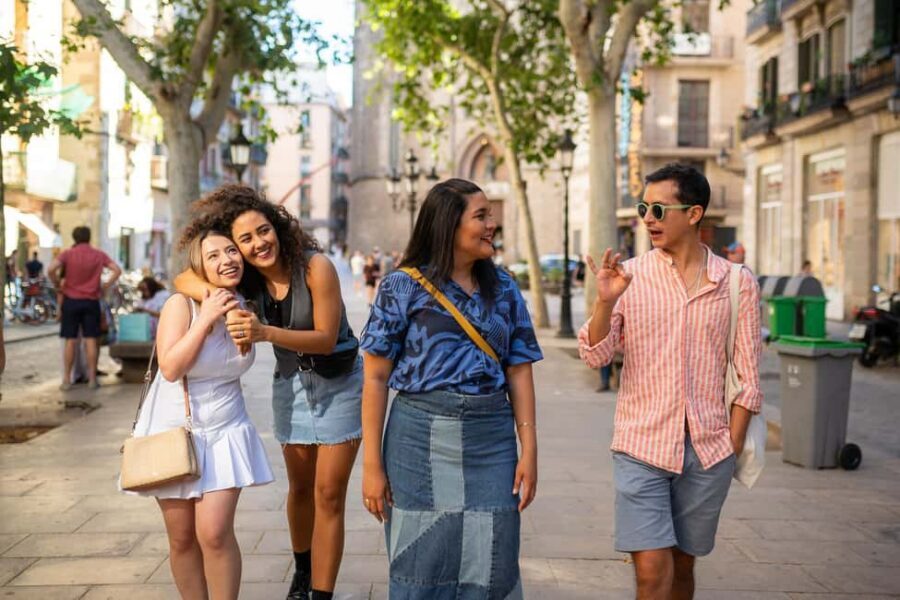
- A 2,000-year storyline that connects Roman Barcino, the Gothic Quarter’s golden age, and modern Barcelona
- Landmarks with guides who tell stories, not just facts—many guides bring comedy and energy to the walk
- Tight stops, good pacing: you get an overview without turning it into an all-day slog
- Photogenic medieval corners, especially around the cathedral area and the squares
- An ending at Santa Maria del Mar, a satisfying finish point that feels like you’re stepping out of a historical scene
A Gothic Quarter walk that feels like a storyline
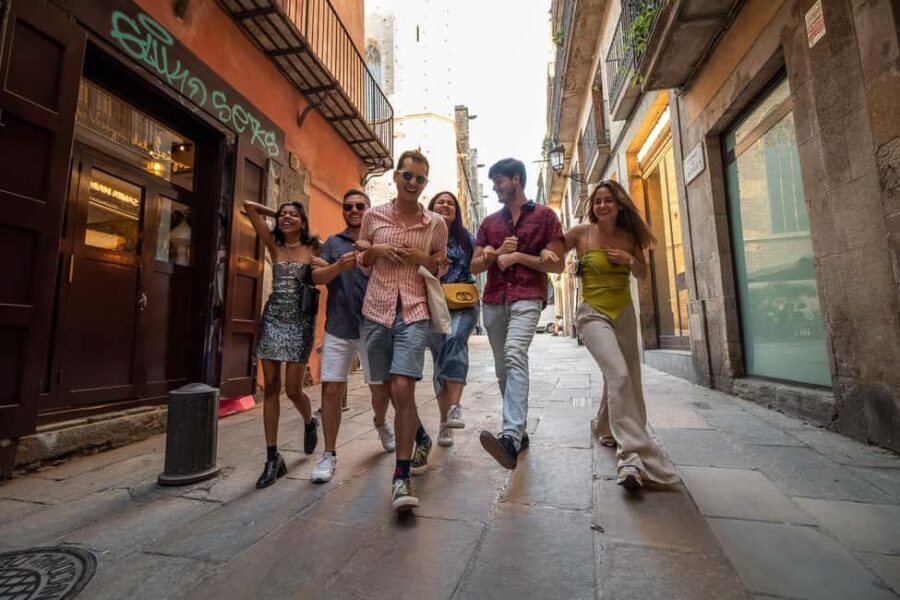
Barcelona’s old streets can be confusing if you wander alone. This tour fixes that fast. The guide keeps you moving while explaining how one era overlaps the next—Roman Barcino’s legacy, the Gothic Quarter’s rise, and what you see today. That’s the real value: you stop treating the neighborhood like scenery and start treating it like a living archive.
A big plus is the way the tour leans on storytelling. Guides like Darren, Mariah, and Sara show up repeatedly in accounts for being entertaining and high-energy, with an eye for the human side of history. You’ll hear legends and anecdotes, including the darker angles of the city, but presented in a way that doesn’t feel like a lecture. It’s more like someone showing you their favorite parts of town with a few wicked plot twists along the way.
You can also read our reviews of more walking tours in Barcelona



Plaça Nova and Escultura Barcino: start where the timeline begins
You meet at Plaça Nova, 40, right in front of the sculpture with the big letters Barcino and a yellow Carpe Diem Tours sign. This is a strong starting move because Barcino is the name tied to the city’s Roman roots. Even before you hit the densest streets, you get oriented around the core theme: Barcelona’s layers.
This first stretch matters because it sets your brain to the right mode. If you start the walk already understanding that the Gothic Quarter didn’t appear all at once, the rest of the landmarks make more sense. It also helps with navigation later. You’ll get your bearings quickly, and you’ll know what to pay attention to as the streets narrow and the atmosphere changes.
Els Quatre Gats: art-world vibes in the middle of old streets
Next you head to Els Quatre Gats, a short guided stop designed to get you into the local cultural mood. Don’t expect a long stop here. It’s more of a “turn your head this way” moment—your guide uses the spot to connect Barcelona’s past to the way the city thinks and creates.
What I like about a stop like this is that it widens the tour beyond medieval stone. The Gothic Quarter isn’t only churches and alleys. It also has a creative pulse, and the guide uses that to keep you from falling into autopilot.
If you’re the type who enjoys footnotes and small stories, this part is satisfying. If you prefer long museum-style time at one place, you might find this segment quick—but the overall pacing balances it.
The Kiss of Freedom: a short stop with symbolic weight
Then comes The Kiss of Freedom. Another brief guided moment, but the name alone signals why a guide matters. A standalone sight can feel like just a point on a map. With a guide, it becomes a clue. You’re learning the meaning behind what you’re seeing, and that’s what turns a street-level photo into something that actually sticks.
Practically, this stop works because it keeps the route moving while still giving you story payoff. The timing is compact, so you won’t drain your energy too early.
Barcelona Cathedral: the big anchor you can actually understand
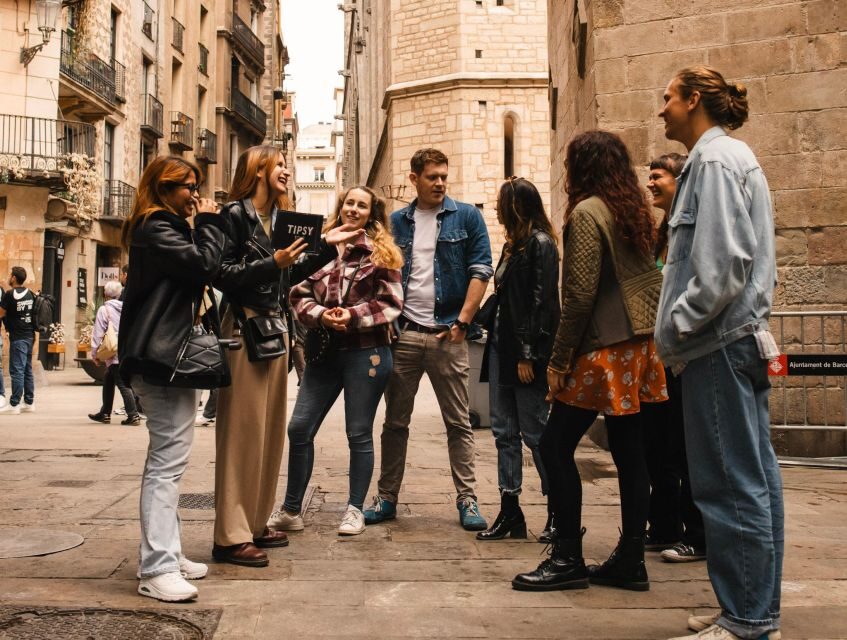
Barcelona Cathedral is one of the tour’s headline moments. This is where you’ll slow down mentally, even if your feet keep walking. With a guide explaining what you’re looking at, you get more than a landmark glance—you get context.
This stop is a great example of why guided beats solo here. Even if you’re not an architecture nerd, it’s easier to notice the choices that make a Gothic setting feel dramatic when someone helps you point at the right details. Guides known for being energetic and personable, like Lindsey and Vanessa, are especially good at keeping this part from feeling formal or stiff.
Consideration: because the guided time is limited, you may not see every detail up close. Think of it as an orientation stop—enough to recognize what’s important, not a full cathedral visit.
You can also read our reviews of more guided tours in Barcelona





La Casa de l’Ardiaca: turning a building into a character
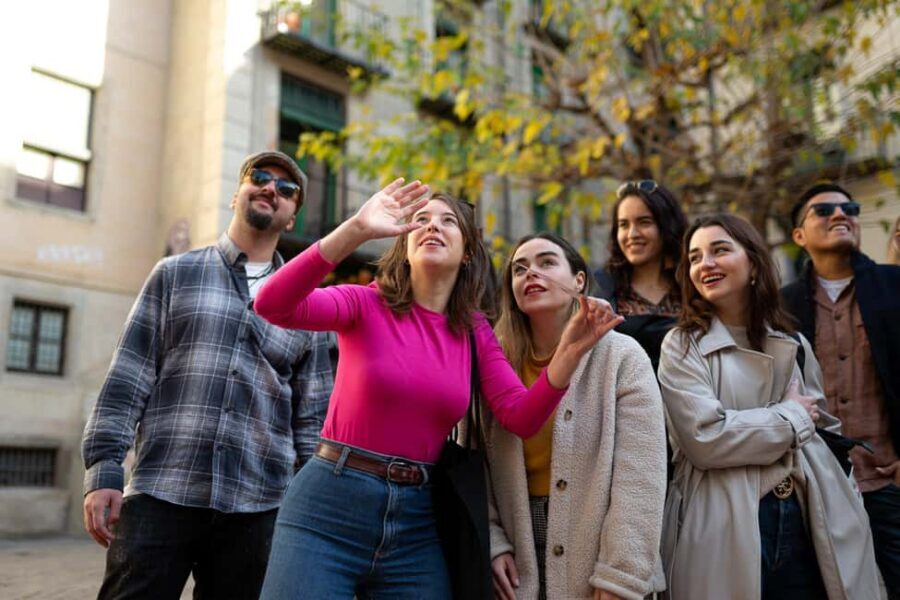
After the cathedral area, you’ll visit La Casa de l’Ardiaca. This is the kind of stop that pays off if you like history that feels human. A building like this can blur into the background if you’re rushing. With the guide, it becomes a piece of the Gothic Quarter’s puzzle.
Guides such as Lidia and Jordan come across as strong at connecting dots quickly—helping you understand how the street you’re standing on fits into the wider arc of the city. That’s the hidden skill here. You don’t just hear about one site. You learn how the sites talk to each other.
This also helps if you’re short on time. In two hours, you’re getting multiple “story chapters” rather than one long scroll through a single attraction.
Bishop’s Bridge: a quick pause for views and atmosphere
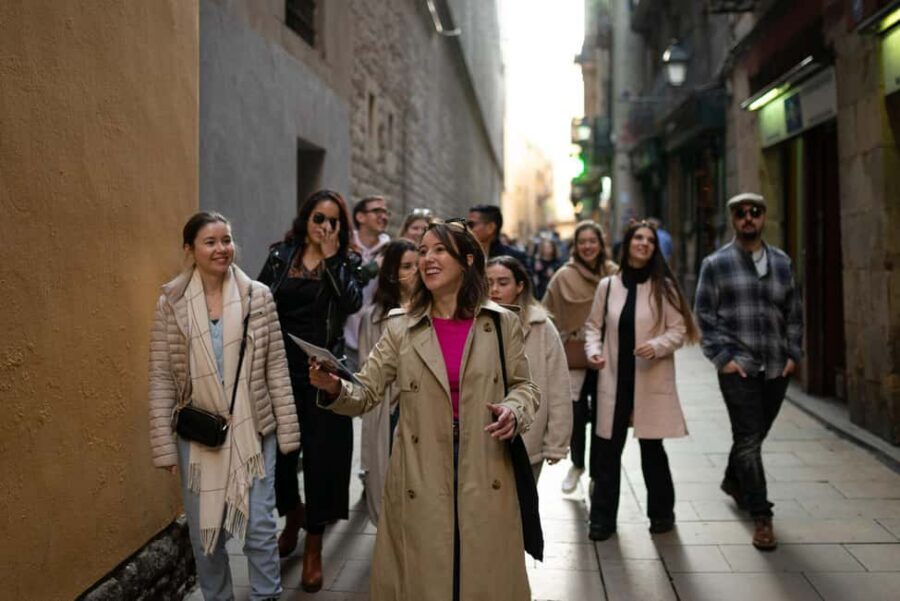
Bishop’s Bridge is a natural “pause and look” moment. It’s short on guided time, but it’s the sort of spot where a guide’s cues help you capture the place in one photo instead of twenty confused ones.
More than the view, this is where the walk starts to feel like a real neighborhood. The Gothic Quarter’s mood is built in the transitions—how you move from formal architecture into tighter street corners and back again. A guide helps you notice those shifts, which is what makes the tour feel like more than sightseeing.
If you’re someone who likes to ask questions, this segment is a good time. The pacing is usually relaxed enough that you can get a quick answer without feeling rushed.
Plaça Sant Felip Neri: the quiet square that slows you down
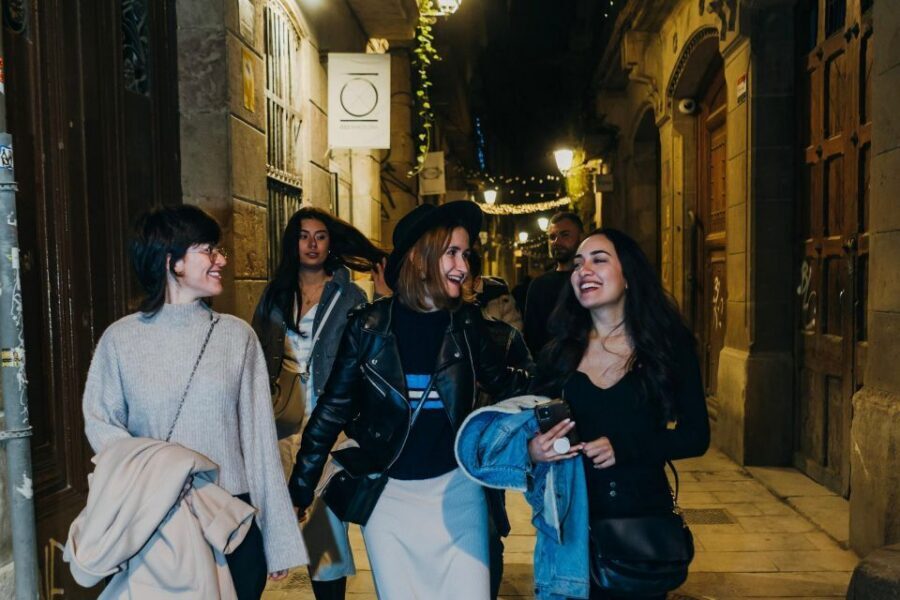
Plaça Sant Felip Neri is where the tour breathes. Squares in old cities are where you feel the air change—less traffic noise, more sense of space, and that slightly timeless feeling. Here, the guide uses the setting to share stories and context, often the kind that make history feel emotional rather than abstract.
This is one of those stops where your camera will earn its keep, but it’s also where you’ll appreciate the guide’s approach. Many accounts highlight that guides deliver history in an engaging, sometimes funny way, without turning it into nonsense. You’ll hear the kind of details that help you walk out saying, I get what this place means.
Practical note: since the tour is on foot, squares are great for a quick breather. You’ll still keep moving, but this is a natural reset point.
Plaça de l’Àngel: the lead-in before the finish
Then you reach Plaça de l’Àngel. Think of it as the warm-up before the last part. The guide uses these smaller stops to keep the story flowing. By this point, you’ll likely feel like you’re reading the city instead of just looking at it.
This segment also helps you transition from the tour’s “talking” moments to the emotional finish. You know you’re near the end, but it doesn’t feel like a rush to the exit. The guide keeps the atmosphere alive.
If you’re traveling with kids or friends who get restless, this kind of mid-walk rhythm matters. Short guided pieces plus walking breaks help everyone stay engaged.
Ending at Basílica de Santa Maria del Mar: a satisfying final note
You finish at Basílica de Santa Maria del Mar. This is a strong ending because it wraps the tour in a place that feels grounded and unmistakably real. The route tends to guide you through the Gothic Quarter while also brushing into the broader old-city feeling of El Born—especially through the way the walk closes in on the final landmark.
What I like about ending here is the emotional clarity. You’re not just leaving more streets behind; you’re arriving at a visual anchor tied to the neighborhood’s identity. Even if you remember only a few stories, the final stop helps you remember the overall vibe.
And yes, the activity ends back at the meeting point, so you’re not left with a confusing “now what?” moment.
How the 2-hour format works for your day
This tour is designed for a quick, high-impact introduction. You’ll spend about 2 hours walking, with guided time at each major stop that keeps momentum. Practically, that means you’ll get:
- orientation through multiple eras
- story context at several key sights
- enough time for photos without turning the tour into a slow crawl
One of the biggest strengths, based on the guide styles people mention, is pacing. Guides like Tamara are described as thoughtful about timing, including time for photos and even bathroom breaks. That matters more than you’d think when you’re trying to enjoy old streets without feeling stressed.
What to bring is simple: comfortable shoes, a camera if you like photos, and comfortable clothes. That’s not a generic suggestion. The route is walking-heavy, and your feet will decide how good the experience feels.
Price and value: why $22 feels fair
At $22 per person for a live English guide, this is strong value for what you get: a guided narrative across more than two millennia, plus a structured walk that hits major sights without requiring you to plan every turn.
The value isn’t only the price. It’s the format. Paying a low fee for a guide can be smarter than spending hours trying to decode what each building is and why it matters. You’re buying time and context.
What’s not included is also clear. Food and drinks aren’t part of the tour. Good news: it keeps the cost down, and you can pair the walk with a meal right after when you’ve built an actual appetite for the city.
Who this tour suits best
This walking tour is ideal if you:
- want a fast, meaningful orientation to Barcelona’s old center
- like guides who bring stories with energy and humor
- enjoy seeing the city as layered history instead of a checklist of stops
- want a solid option in English, with a live guide throughout
It’s also a good companion tour if you plan to see other sides of Barcelona later, because it gives you the historical baseline first. One theme from guide praise is that the walk helps you connect older Barcelona to today, and that makes later visits make more sense.
Who might skip it? If you want a slow, detailed day at only one monument, the 2-hour format and shorter guided stops may feel too compressed.
Should you book this Barcelona Gothic Quarter walking tour?
Yes, if you want a fun first pass through Barcelona’s old streets with a guide who tells stories and keeps the pace friendly. At $22, you’re paying for context as much as for sightseeing. And the consistent praise for guides like Mariah, Sara, Lindsay, Vanessa, Petra, and Darren points to a real strength: the tour feels lively, not dry.
Book it if you like history with atmosphere—Roman echoes, medieval corners, and Catalan culture woven into what you’re actually walking through. Just go in expecting a focused 2-hour overview, not a linger-and-explore day. That expectation is what makes this tour land as a great value.
FAQ
How much does the Barcelona guided walking tour cost?
The price is $22 per person.
How long is the tour?
The tour lasts 2 hours.
Where do I meet the guide?
Meet at Plaça Nova, 40, in front of the sculpture with large letters Barcino and a yellow Carpe Diem Tours sign.
Where does the tour end?
The route finishes at Basílica de Santa Maria del Mar, and the activity ends back at the meeting point.
What language is the tour guide?
The live tour guide speaks English.
Is food included?
No. Food and drinks are not included.
Do I need to check in for start times?
You’ll need to check availability to see starting times.
Can I reserve and pay later?
Yes. You can reserve now and pay later.
What should I bring?
Wear comfortable shoes, and bring a camera and comfortable clothes.