REVIEW · GIRONA
PADI Open Water Diver Course
Book on Viator →Operated by Centro de Buceo Gidive Center Palamós · Bookable on Viator
Learning the basics underwater can feel big. In Palamós, the PADI Open Water Diver course run by Centro de Buceo Gidive Center Palamós turns that big feeling into a structured, safety-first routine. I especially liked the patient instruction from teachers like Curro, Alex, Arnau, Sergi, Miguel, and Tati, and the impeccable, tidy equipment that makes you feel ready instead of rushed. One thing to consider: the course depends on good weather, and the provider may shift dates if conditions are poor.
This is a small setup—maximum 4 travelers—and you start at 9:00 am at Ctra. de la Fosca, 2, 17230 Palamós, Girona, Spain, with the activity ending back at the same meeting point. You’ll get a mobile ticket, the course is offered in English, and the center allows service animals; it’s also near public transportation, which helps if you’re not renting a car.
In This Review
- Key things that make this course work
- Palamós and Costa Brava: why this setting helps you learn
- Gidive Center setup, small-group pace, and what you’ll notice fast
- Your 3 days of PADI Open Water training: what to expect without the guessing
- Instructors you’ll hear about: Curro, Alex, Arnau, Sergi, Miguel, Tati
- Equipment and safety style: clean gear, close supervision, and real control
- Price and value: what $660.13 buys you in the real world
- Logistics that matter: meeting point, timing, and weather reality
- Who this course is best for in Palamós
- Things to think through before you book
- Should you book Gidive Center for PADI Open Water in Palamós?
- FAQ
- Where is the meeting point for the PADI Open Water course?
- What time does the course start?
- How long is the course?
- How much does the course cost?
- Is the course offered in English?
- How many travelers are in a group?
- Will I receive a confirmation after booking?
- Is good weather required?
- What is the cancellation policy?
- Are service animals allowed and is it near public transportation?
Key things that make this course work
- Maximum 4 travelers: more personal attention as you learn skills step-by-step
- English instruction: clear communication for real understanding, not just memorizing steps
- Gidive Center’s clean, organized gear: you’ll spend less time worrying and more time practicing
- Strong safety focus: the tone is professional and strict, but still friendly
- Teaching talent you can name: instructors like Curro, Miguel, Alex, Arnau, Sergi, and Tati show up repeatedly in feedback
- Weather-dependent schedule: you’re planning for the sea, not a guaranteed sunny day
Palamós and Costa Brava: why this setting helps you learn
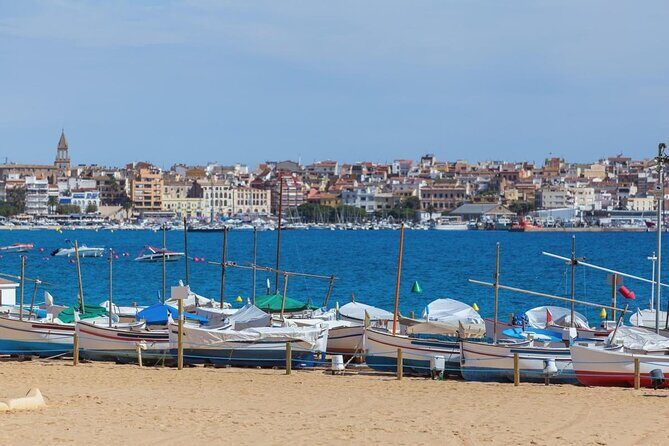
Palamós is a smart base for an Open Water course because the whole area is built around marine life and day-to-day water activity. When you’re learning buoyancy, comfort, and basic underwater control, the easiest win is feeling calm in the environment. A Costa Brava coast like this tends to support that goal: you’re not fighting logistics all day, and the training fits the local routine.
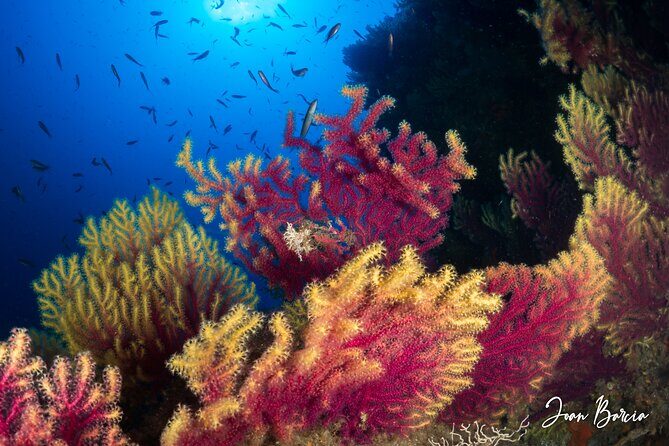
I also like that the learning is tied to the kind of spots people travel here for. One person even mentioned looking into Boreas if the opportunity is available. Even if you don’t know what that means for your specific plan, the vibe is clear: you’re not just getting a certificate—you’re getting connected to the real underwater world around you.
The practical angle: you’re starting at 9:00 am. That’s good if you want the day to stay productive and not turn into a scramble. It’s also easier for families and groups to coordinate, especially when you’ll repeat check-ins and lessons across three days.
You can also read our reviews of more tours and experiences in Girona.


Gidive Center setup, small-group pace, and what you’ll notice fast
Centro de Buceo Gidive Center Palamós is the kind of place that reads as organized before you even get in the water. Multiple comments highlight super-clean gear and facilities, plus explanations that are professional and thorough. You can feel the difference when a course is run with discipline: the instructors don’t just teach the steps, they drill safety control so it becomes automatic.
The small group matters. With a maximum of 4 travelers, you’re less likely to get stuck waiting. That means fewer long gaps between lessons and practice, which helps confidence. In a skill course, confidence is currency, and it compounds when you’re getting frequent feedback.
There’s also a family-friendly pattern in the feedback. People described certifying kids as young as 12 and also bringing a 16-year-old, with tutors who handled the pace and the comfort level. If you’re bringing your own teenager or a kid who’s excited but nervous, that track record is a real plus.
Your 3 days of PADI Open Water training: what to expect without the guessing
You’re looking at about 3 days of training. The exact schedule isn’t listed here hour-by-hour, but the structure is clear from how the course is described and how it’s been taught by the center staff.
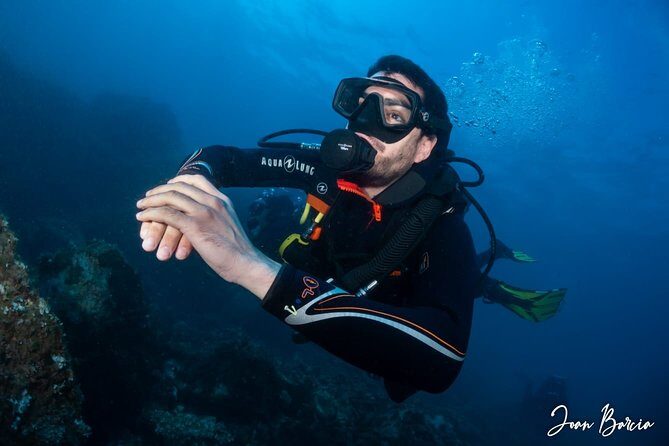
Across the three days, expect a rhythm that follows the PADI Open Water approach: classroom-style learning, practice of skills in controlled conditions, then progressively applying those skills in open water. The core theme you’ll feel is that they keep you safe while moving you forward. That shows up again and again in the feedback: maximum safety, real fun, and instructors who teach both in and out of the water.
Here’s how I’d mentally map the days so you’re not surprised:
- Day 1: you’ll likely focus on getting comfortable with equipment and the basics of how to manage your body underwater. You’ll also learn the safety procedures that make everything else possible.
- Day 2: you’ll build on that foundation with more controlled practice and more repetition of key skills until they feel natural. If you’re bringing a child, this is often where nerves either settle or you learn how to handle them.
- Day 3: you’ll round things out with confidence and certification steps so you finish ready to continue training.
One practical note: you start at 9:00 am from the meeting point in Palamós. That usually means you should plan on arriving a bit early so gear prep doesn’t become a stress moment. And because the whole thing is weather-dependent, you’ll want to keep your schedule flexible in case the provider needs to adjust.
Instructors you’ll hear about: Curro, Alex, Arnau, Sergi, Miguel, Tati
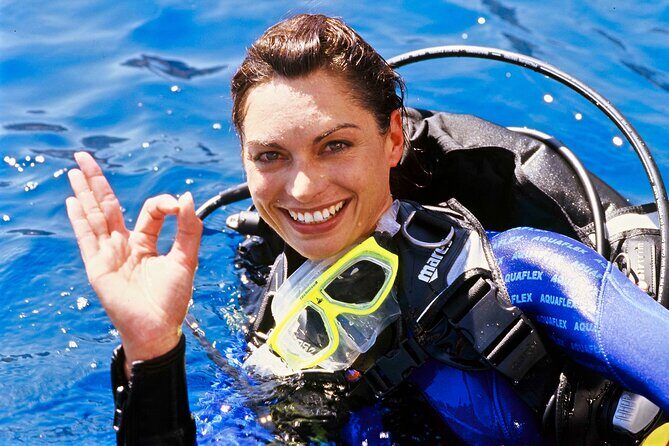
If you’re the type who wants to know who’s teaching you, this is a strong point. Names come up repeatedly in the feedback, and the theme is consistent: patience, coaching ability, and a mix of strict safety with supportive energy.
Curro gets a lot of credit for making learning feel fun without sacrificing discipline. One person described Curro as the best teacher they could imagine, with a focus on helping students understand the underwater experience and learn how to operate safely.
Alex also shows up, with praise for patience and training capacity both in and out of the water. Arnau and Sergi are mentioned as professional instructors with infinite patience, plus a clean, tidy setup.
Miguel and Tati appear too, with feedback that the course had all the controls and that instruction helped people feel comfortable quickly. When a center can repeat that standard across different instructors, it’s a good sign you’re not relying on one lucky day.
If you want to take advantage of this, come ready with questions. Ask how they’ll handle comfort issues, how you should manage breathing and ear equalization, and what safety rules they’ll be watching for. The better you understand the plan, the faster your brain stops treating the unknown like a threat.
Equipment and safety style: clean gear, close supervision, and real control
The center’s gear reputation is unusually consistent. Comments call the equipment impeccable and the facilities very clean and tidy. That matters more than it sounds. When equipment is well cared for, it reduces weird surprises—missing parts, poor fit, or setup problems that steal attention during a skills session.
The safety tone is another strong theme. You’ll hear language like professional, strict with training, and maximum safety. For you, that translates into a course where instructors are actively watching—not just supervising from a distance. If you’ve ever felt nervous about being under water, this kind of close attention can be the difference between tolerating the experience and truly enjoying it.
Ear comfort comes up, too. One person mentioned being concerned about equalization and described the instructor as very watchful. If you have a similar concern, don’t hide it. Let them know right away. Instructors can adjust coaching and timing when they understand your comfort level.
And for kids: the feedback points to instructors who can handle both the skills and the emotions. When a center treats training seriously and keeps it calm, kids tend to learn faster because the stress level drops.


Price and value: what $660.13 buys you in the real world
The listed price is $660.13 per person, and you’re committing to around 3 days of instruction in English, with a small group size and a PADI Open Water course at a dedicated local center.
Is that good value? In my view, it depends on what you need from the course:
- If you want professional coaching, clean equipment, and a calm safety-first atmosphere, you’re paying for quality delivery, not just a certificate stamp.
- If you want to bring a child or a teen and still get careful, patient teaching, that extra attention often makes the cost feel fair.
- If you just want the shortest path with no patience needed on your side, you might compare prices—but most people learn that diving-ready confidence doesn’t come from speed.
Also, consider the cost of getting it wrong. If you try to wing preparation, you can lose time through stress, discomfort, or fear-driven mistakes. A center like this—described as strict and safe while still making it enjoyable—reduces that risk.
In other words: the value isn’t only the price tag. It’s what you walk away with—skills, comfort, and guidance that helps you continue.
Logistics that matter: meeting point, timing, and weather reality
You meet at Ctra. de la Fosca, 2, 17230 Palamós, Girona, Spain. Start time is 9:00 am, and the activity ends back at the same meeting point. That simple loop helps. You’re not hunting across town for the next instruction stop.
Near public transportation is helpful if you’re traveling without a car. Service animals are allowed, so if that’s part of your plan, it’s good to know the center can accommodate.
Weather is the big wildcard. The course requires good weather, and if conditions are poor, you’ll either be offered a different date or receive a full refund. That’s the honest part of the ocean: you can’t control wind, swell, or visibility. What you can control is your willingness to be flexible.
Who this course is best for in Palamós
This course fits a few clear profiles:
- Families with kids or teens: Multiple examples show the center certifying younger divers and teens with patience and professionalism.
- First-timers who need comfort coaching: If you’re anxious about the basics, the feedback highlights supportive teaching while staying strict on safety.
- Anyone who wants a small-group feel: Maximum 4 travelers keeps the attention focused where it matters.
- English speakers: The course is offered in English, which helps you understand not just steps but why those steps matter.
If you’re the type who hates waiting around, the small group is a strong reason to pick this. If you’re the type who needs a plan and clear instruction, the center’s organized, professional approach will likely feel reassuring.
Things to think through before you book
Here’s the candid checklist I’d use before committing:
- Be ready for weather changes. Your schedule needs a buffer, even if you’re hopeful.
- Think about comfort issues early. If you know you struggle with equalizing ears or feel panic in water, tell the instructors immediately.
- Bring the right mindset for a skill course. The best outcomes come when you follow safety guidance and accept repetition.
- Expect discipline, not chaos. The teaching style is described as strict and safety-driven. That’s good—just know what you’re buying.
Should you book Gidive Center for PADI Open Water in Palamós?
I’d book if you want a course run with real structure, clean equipment, and instructors who have a track record with both adults and kids. The combination of strong teaching names (Curro, Alex, Arnau, Sergi, Miguel, Tati), small group size (max 4 travelers), and consistent safety-first feedback makes it feel like a place where you can learn without drama.
I’d think twice if your travel dates are rigid and you can’t flex at all due to weather. The sea sets the rules here. If you can handle that, you’re in good shape.
For most people, this is a practical way to get trained on the Costa Brava with a center that looks organized on the surface and disciplined underneath.
FAQ
Where is the meeting point for the PADI Open Water course?
The meeting point is Ctra. de la Fosca, 2, 17230 Palamós, Girona, Spain.
What time does the course start?
The start time is 9:00 am.
How long is the course?
It runs for 3 days (approx.).
How much does the course cost?
The price is $660.13 per person.
Is the course offered in English?
Yes, it’s offered in English.
How many travelers are in a group?
This activity has a maximum of 4 travelers.
Will I receive a confirmation after booking?
Yes. Confirmation will be received at the time of booking.
Is good weather required?
Yes. The experience requires good weather, and if it’s canceled due to poor weather you’ll be offered a different date or a full refund.
What is the cancellation policy?
You can cancel for free up to 24 hours in advance for a full refund. If you cancel less than 24 hours before the start time, the amount paid is not refunded.
Are service animals allowed and is it near public transportation?
Service animals are allowed, and it is near public transportation.
If you’d like, tell me your age group (adult, teen, or kid) and your travel dates. I can help you think through the best way to plan around the weather buffer.